

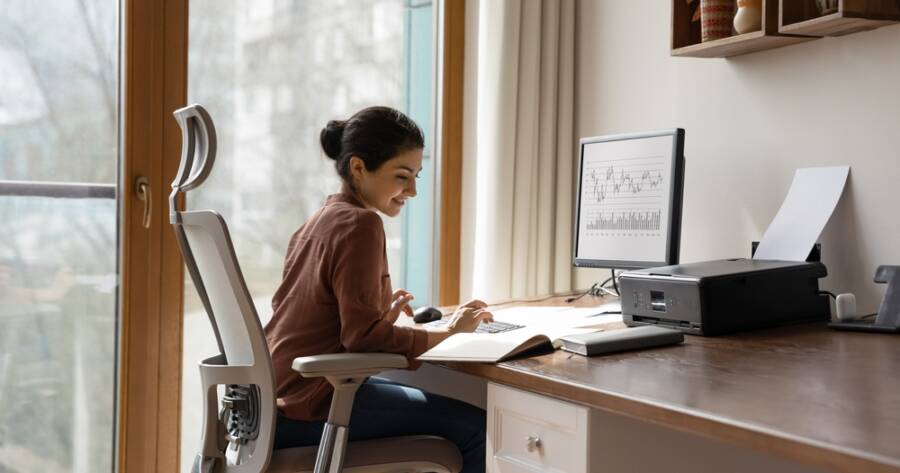
A well-designed home office can shape how effectively you work and how inspired you feel throughout the day. When your environment supports focus, comfort, and creativity, even routine tasks become easier to manage. Thoughtful choices around layout, lighting, and organization can reduce distractions and improve mental clarity. By creating a workspace that aligns with your needs, you set the stage for better productivity and more fulfilling workdays.
Choose the Right Location First
The foundation of a good home office is its location. While it might be tempting to set up at the kitchen table or in a busy living room, distractions can quickly add up. A dedicated space, even if it’s just a quiet corner, helps your brain separate work from relaxation.
Look for an area with natural light, minimal noise, and a door, if possible. Being able to close the door—even mentally—can boost your ability to concentrate. Once you’ve picked your spot, make sure it’s free from household clutter so that your mind can stay clear and focused.
Invest in the Right Lighting and Furniture
Good lighting can make a huge difference in both your mood and productivity. Natural light is best, so place your desk near a window if you can. If that’s not an option, opt for soft white LED bulbs that mimic daylight without being too harsh on the eyes. Adjustable lamps with warm tones can reduce glare on screens and make evening work more comfortable.
Your desk and chair should support good posture. Choose a chair with lumbar support and make sure your screen is at eye level to reduce strain. If you sit for long hours, consider a standing desk option or a setup that allows for both sitting and standing. Comfort helps keep your attention on the task, not on backaches or fatigue.
Personal Touches That Inspire
Your office doesn’t have to be boring to be functional. In fact, a little personality can increase creative thinking and make the space feel like your own. Add items that spark joy or reflection—a few framed photos, a favorite piece of art, or objects that remind you of past accomplishments. These elements can offer subtle encouragement throughout the day.
However, it’s important not to overdo it. Too many items on your desk or walls can create visual noise. A minimalist layout with just a few inspiring objects keeps your space balanced and calm while still being motivational.
Manage Sound and Distractions
A focused environment isn’t always silent, but it should be free of unwanted interruptions. If outside noise is an issue, noise-canceling headphones or soft background music may help. Many people find ambient sounds, such as rainfall or gentle instrumentals, helpful for staying on task.
If you share your home with others, set clear expectations about work hours and privacy. Even simple signs—like a “do not disturb” note or a closed door—can serve as helpful boundaries. Also, try to keep your phone out of reach during work sessions to cut down on distractions.
Organize for Mental Clarity
A tidy workspace helps create a tidy mind. Start with smart storage solutions like drawer organizers, shelves, or under-desk baskets to keep everyday tools handy but out of sight. Items you use often, like notebooks or chargers, should be easy to reach without taking over your desk.
Digital organization is just as important. Keep your desktop clean and limit open browser tabs. Decluttering your digital space can have the same calming effect as cleaning your physical one. The more streamlined your environment, the more mental space you’ll have to think and create.
Plants and Air Matter More Than You Think
Indoor plants do more than look nice—they’ve been shown to improve concentration and reduce stress. Even small succulents or low-light plants can make your space feel more alive and welcoming. They also help purify the air, which contributes to clearer thinking.
Good air quality, in general, plays a role in how well you feel during the workday. Opening windows for fresh air or using a quiet air purifier can help maintain a healthy environment. When you breathe easier, you tend to work better too.
A Workspace That Works for You
Your home office should do more than simply hold a desk and chair—it should actively support the way you think and work. By choosing the right location, investing in comfort, managing distractions, and keeping your space organized, you create an environment that encourages sustained focus. Small details, such as lighting, airflow, and personal touches, can have a surprisingly powerful impact on your energy and creativity.
Ultimately, the most effective home office is one that reflects your habits and priorities. As your work evolves, your space can evolve too. Making intentional adjustments over time allows your workspace to remain supportive rather than restrictive. When your environment works with you instead of against you, staying productive and inspired becomes a natural part of your daily routine.